How an Occupational Driver License Works in Texas
A suspended license can make ordinary responsibilities difficult: getting to work, handling essential household tasks, or attending school may all depend on driving. In Texas, an occupational driver license may provide a limited path back behind the wheel, but it is not automatic permission. You must qualify, ask a court for approval, and complete the required steps with the Department of Public Safety.
What an occupational driver license allows
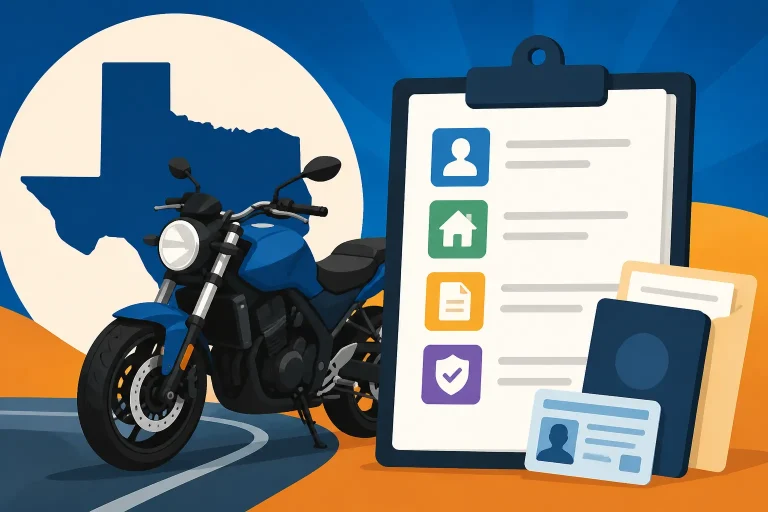
An occupational driver license, often called an ODL, is a restricted license for certain people whose regular driving privileges have been suspended, revoked, or denied. It is meant to address a practical need to drive, not to erase the underlying suspension or restore unrestricted driving.
According to the Texas Department of Public Safety (DPS), an occupational driver license may be available when a license was suspended, revoked, or denied for a reason other than a medical issue or delinquent child support, and the person needs to drive for work, essential household duties, or school. According to DPS, an occupational driver license does not authorize driving a commercial motor vehicle.
The word “may” matters. An ODL is not guaranteed just because you need to drive or because you file a petition. A court must approve the request, and you must then provide the required materials to DPS. The court’s decision and the DPS process are separate parts of the path.
An ODL is also limited in purpose. Do not assume it gives you permission to drive whenever or wherever you want. The order and the occupational license determine what driving is allowed. Before relying on the license, read the documents carefully and confirm any limits or conditions with the court and DPS.
| Question | Practical answer |
|---|---|
| What need may support a request? | Driving for work, essential household duties, or school may qualify. |
| Who decides whether to approve the request? | The court decides whether to approve the petition. |
| Is court approval the only step? | No. After approval, certified court documents, an SR-22, the occupational-license fee, and any reinstatement fees must be sent to DPS. |
| Can an ODL authorize commercial motor vehicle driving? | No. |
| Is an ODL the same as restoring a regular license? | No. It is a limited license for approved driving needs. |
If you are unsure whether your driving privileges are suspended or what is blocking them, start by checking your status before assuming an ODL is the right solution. Is Your Texas Driver License Suspended? How to Check explains how to look into that question. If the issue is a suspension and your main need is getting to work, Suspended License in Texas? Getting Back on the Road for Work may also help you compare next steps.
Who may qualify and what to check first
According to DPS, an occupational driver license may be available if your license was suspended, revoked, or denied for a reason other than a medical issue or delinquent child support, and you need to drive for work, essential household duties, or school. Those conditions are the starting point, not a promise that a court will approve your request.
Before preparing a petition, pin down the reason your driving privileges were affected. A person may know that a license is unavailable without knowing whether it was suspended, revoked, denied, or subject to another type of restriction. The distinction can matter when you are deciding whether the ODL process applies. Check your record and any notices you received, and ask DPS or a qualified attorney if the reason is unclear.
The stated exclusions deserve particular attention. According to DPS, the potential ODL pathway described here does not apply when the license was suspended, revoked, or denied for a medical issue or delinquent child support. If your record involves one of those reasons, do not assume that a general work or school need changes the eligibility rule. Ask DPS or a qualified attorney which procedure, if any, applies to your situation.
Next, identify the actual driving need. Be concrete about the duties that require a vehicle: a work commute or job-related travel, essential household responsibilities, or travel connected to school. The court will decide the petition, so presenting a clear explanation of the need is more useful than treating an ODL as a general request for convenience. Do not describe a need as qualifying without checking how the court wants it explained or documented.
It can also help to separate “I need to drive” into specific trips and responsibilities before you talk to the court. Consider what the driving is for, why another arrangement would not meet the need, and which documents may help explain it. These are preparation points, not a guarantee that a particular type of evidence is required or that it will be accepted. Ask the court handling the petition what it expects.
Your situation may involve more than one problem: a suspension plus unpaid reinstatement requirements, for example, or a court matter connected to the original offense. Avoid guessing which issue controls. Review notices and records, and ask the appropriate court or DPS what is still outstanding. The ODL petition is not a substitute for understanding every reason your regular license is unavailable.
If you have an existing Texas driving record question, Checking Your Texas Driver License Eligibility Online can help you understand what to check before going further. If you are unsure what paperwork is normally useful for a DPS visit, Texas Driver License Checklist: What to Take to Your DPS Visit offers broader preparation guidance, although an ODL petition itself is handled through the court.
How to petition the court
According to DPS, you must petition the justice, county, or district court where you live or the court where the offense occurred. That means you should identify the right court before preparing to file. The available court is tied to your residence or the offense, rather than being a matter to choose solely for convenience.
Court procedures can differ. Contact the court you believe has authority and ask how it accepts an occupational-license petition, what forms or supporting documents it requires, and whether there are filing or hearing steps you need to follow. Confirm whether the court wants documents submitted in a particular way and how you will receive an order if the petition is approved. Do not rely on a generic checklist as a substitute for the court’s own instructions.
The petition should explain why you need to drive for work, essential household duties, or school. A clear account of your situation can help the court understand the request. Gather information that supports the need, but first confirm which materials the court accepts or expects. Do not assume that one document, such as a letter from an employer or a school record, is always required or sufficient.
You may also need to address the underlying suspension and any conditions connected to it. Read the notices you have received, and ask the court or an attorney whether those details should be included in the petition. If the facts are complicated, legal advice can be especially useful: a court petition is a legal request, and an attorney can help you understand how the rules apply to your circumstances.
After filing, wait for the court’s decision. A pending petition is not the same as an approved occupational license. According to DPS, if the court approves the request, you must send certified copies of the petition and order, an SR-22, the occupational-license fee, and any reinstatement fees to DPS. Until you have confirmed that the necessary steps have been completed and that you are authorized to drive, do not treat filing or a favorable conversation with the court as permission to get behind the wheel.
If the court denies the petition, ask the court what options or next steps are available. Do not assume the court can reconsider automatically or that you can file the same materials elsewhere. Depending on the reason for denial, it may be sensible to seek legal advice before taking another step.
For a closer look at the court stage, see Petitioning a Texas Court for an Occupational License. For the items involved after approval, Documents and Fees Required for a Texas Occupational License can help you prepare questions and organize the process. The court and DPS remain the official sources for the requirements that apply to your case.
What happens after court approval
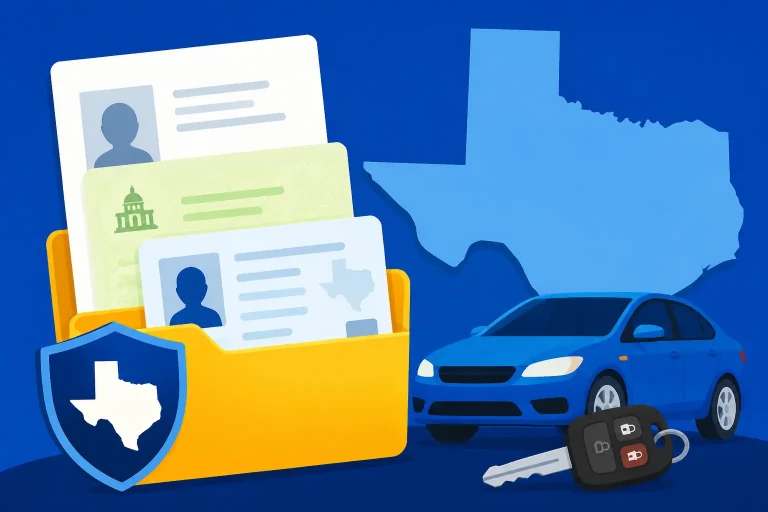
Court approval is an important milestone, but it does not by itself complete the DPS portion of the process. According to DPS, after the court approves a petition, you must send DPS certified copies of the petition and order, an SR-22, the occupational-license fee, and any reinstatement fees. Make sure you understand how the court provides certified copies and how DPS wants the materials submitted before sending anything.
Check every required item
Use the court’s order and DPS’s current instructions to assemble the submission. Check that the petition and order are certified copies, rather than ordinary copies, because the stated requirement is for certified court documents. If you are unsure how to obtain them, ask the court that issued the order.
The SR-22 is a required item in the DPS submission described by the agency. Ask your insurer what is needed to arrange it and confirm that the filing will meet DPS requirements. Avoid assuming that a standard proof-of-insurance card is a substitute. If you have questions about how the document reaches DPS, confirm the process with your insurer and DPS.
The occupational-license fee and any reinstatement fees are separate items to account for. The amount and payment procedures can change or depend on your record, so check directly with DPS for current figures and accepted payment methods. If you have an outstanding reinstatement fee, do not assume it is covered by the occupational-license fee. According to DPS, any reinstatement fees must also be sent.
Before submitting, compare the package with DPS’s current instructions and the court order. A useful personal checklist might include:
- Certified copies of the petition and the court order
- The required SR-22
- The occupational-license fee
- Any reinstatement fees
- Any additional materials DPS directs you to provide
This list reflects the stated DPS submission items; it is not a guarantee that no other instruction applies to your record. Confirm the current requirements with DPS, and keep copies of what you send and any confirmation you receive.
Confirm before driving
Do not assume that mailing or delivering the materials means your occupational license is ready to use. Confirm with DPS what remains to be completed, whether the submission was received, and how to verify that you are authorized to drive. If DPS requests a correction or additional item, address it before relying on the ODL.
Keep the court order and any DPS correspondence in a safe place. Read the order closely, and ask the court or DPS to clarify language you do not understand. If the terms of the order and the information you receive seem inconsistent, do not resolve the conflict by guessing. Get clarification from the relevant authority before driving.
For additional background on what happens after a credential is processed, Tracking Your Texas Driver License or ID Card in the Mail covers a separate mailing question. It is not a substitute for confirming ODL approval or driving authority with DPS.
Driving under an occupational license
An ODL is not a regular, unrestricted license. According to DPS, it may be available for driving needed for work, essential household duties, or school, and it does not authorize driving a commercial motor vehicle. Treat the order and license as instructions that define your permission, not as proof that every trip is allowed.
Read the court order and the license carefully before planning a trip. Look for any stated conditions, limits, or required documents, and ask the court or DPS to explain anything unclear. Do not rely on what another driver says their ODL permits; the terms of your own order matter.
Think through each trip before you drive. Is it connected to the need approved by the court? Does it follow any conditions in the order? Is the vehicle a commercial motor vehicle? According to DPS, an occupational driver license does not authorize driving a commercial motor vehicle. If a trip or vehicle does not clearly fit the order, confirm with the court or a qualified attorney instead of assuming it is permitted.
Keep the documents that explain your authorization accessible as directed by DPS and the court. Maintain records of the order, the license, and any communications about conditions or changes. If your job, school, household responsibilities, or circumstances change, ask whether the change affects the court’s order or your permitted driving. Do not assume that an ODL automatically adjusts to a new situation.
Remember that an ODL does not, by itself, resolve the underlying reason your regular privileges were suspended, revoked, or denied. Follow any separate requirements related to that status, and check with DPS about what remains necessary. How an Occupational Driver License Works in Texas is the topic of this article, so for a related issue rather than a duplicate explanation, review How to Use the Texas DPS License Eligibility Portal if you need to check your broader eligibility information.
The most important practical boundary is simple: drive only after you have confirmed your authorization and only within the terms that apply to you. A court approval, an application in progress, or the fact that a trip feels necessary should not be treated as a replacement for a valid occupational license and clear permission.
Frequently Asked Questions
Can I get an occupational driver license just because I need to work?
Not automatically. According to DPS, an ODL may be available for a qualifying suspension, revocation, or denial when you need to drive for work, essential household duties, or school. The court must approve the petition, and you must complete the DPS submission requirements.
Which court should receive the petition?
According to DPS, petition the justice, county, or district court where you live or the court where the offense occurred. Contact the court to confirm its filing procedure and any supporting materials it requires.
Can I drive while my petition is pending?
Do not assume you can. According to DPS, the process involves court approval followed by sending required materials to DPS. Confirm your driving authorization with DPS before driving.
Does an occupational driver license let me drive a commercial motor vehicle?
No. According to DPS, an occupational driver license does not authorize driving a commercial motor vehicle.
What should I do if I do not know why my license was suspended?
Check your driving status and notices, then ask DPS or a qualified attorney to clarify the reason. According to DPS, the potential ODL described here excludes suspensions, revocations, or denials for a medical issue or delinquent child support.
Sources
- Department of Public Safety — Occupational Driver License (checked November 11, 2026)
Disclaimer
This article is for general informational purposes only and does not constitute professional advice. Laws, prices and regulations vary by location and change over time. Consult a qualified professional for guidance on your specific situation. Texas Driver Guide is not a government agency and is not affiliated with any state motor vehicle department.